Business Name: FootPrints Home Care
Address: 4811 Hardware Dr NE d1, Albuquerque, NM 87109
Phone: (505) 828-3918
FootPrints Home Care
FootPrints Home Care offers in-home senior care including assistance with activities of daily living, meal preparation and light housekeeping, companion care and more. We offer a no-charge in-home assessment to design care for the client to age in place. FootPrints offers senior home care in the greater Albuquerque region as well as the Santa Fe/Los Alamos area.
4811 Hardware Dr NE d1, Albuquerque, NM 87109
Business Hours
Monday thru Sunday: 24 Hours
Facebook: https://www.facebook.com/FootPrintsHomeCare/
Instagram: https://www.instagram.com/footprintshomecare/
LinkedIn: https://www.linkedin.com/company/footprints-home-care
Families rarely plan their method into elder care. More often, a small crisis pushes the discussion, then the information flood in. You require assistance for a parent who wishes to stay home but is missing out on medications. Or a spouse with Parkinson's is falling more, and you are tired from nighttime wandering. The choice normally narrows to 2 courses: bring support into the home through a home care service, or move to a house that packages real estate with care, https://pastelink.net/5a3kl6cc like an assisted living facility. Both can work perfectly, and both can miss the mark if you match the incorrect model to the needs. The art remains in the examination, not the brochure.
I have sat at cooking area tables with households for many years, strolling through the distinctions and the what-ifs. The goal here is to offer you a clear method to compare options and to see around the corners. Budgets matter, yes, however quality of life, control, and predictability matter too. Let's unload what to search for, what questions to ask, and how to decide with confidence.
What "home care" actually suggests, and what it does n'thtmlplcehlder 6end. Home care, often called nonmedical home care or personal duty care, sends a senior caretaker to the home to help with day-to-day routines: bathing, dressing, meal prep, light housekeeping, medication tips, companionship, and safe transport. Agencies can staff for a couple of hours a week or round the clock. It is versatile, frequently fast to start, and keeps the individual in familiar surroundings. It is not the same as home health. Home health is medical and time-limited, ordered by a doctor after a hospital stay or acute episode. Think injury care, proficient nursing sees, or physical therapy, normally a couple of hours weekly, and typically covered by insurance coverage. Home care is paid independently for the most part, and it scales based upon your needs. When home care works well, it fills the exact spaces. A son in Denver can work with morning protection for his mother in Tampa to ensure she showers securely and consumes breakfast. A couple managing mild dementia can use afternoon friendship so the partner can run errands and rest. The surroundings and routines stay familiar, which typically minimizes agitation and preserves independence. There are limits. If nighttime wandering becomes constant, or if transfers require two individuals, or if medical needs intensify into frequent evaluations, home care can become either too expensive or too complex to coordinate. That's typically where assisted living goes into the conversation. What assisted living supplies, beyond a room and a meal plan
Assisted living facilities are purpose-built communities that integrate real estate, meals, 24-hour personnel, and aid with activities of daily living. The contemporary ones feel more like homes than institutions. Residents bring their own furniture, sign up with social activities, and receive scheduled support with bathing and medications. The infrastructure matters: call systems, get bars, available restrooms, and staff trained to notice subtle changes.
There are various levels. Standard assisted living fits individuals who need a foreseeable level of help but not continuous supervision. Memory care systems deal with dementia with safe designs, smaller staff-to-resident ratios, and specialized programming. Some neighborhoods are licensed to provide minimal nursing services, though they are not nursing homes.
The appeal of assisted living is predictability. Staffing doesn't depend upon whether a caregiver can make it through a snowstorm. Meals arrive on schedule. Activities and transport are built in. The compromise is control and environment. Even the best neighborhood has rules about family pets, cigarette smoking, visitors, and when meals are served. For somebody increasingly attached to their garden, their deck, and their neighbor's dog, the loss can be felt daily.

Matching needs to designs: a practical method to think about fit
Care choices go smoother when you anchor them in what the person battles with now and what is most likely to change in the next year. Start with an easy stock: mobility, continence, cognition, medications, nutrition, sleep, state of mind, and safety. Use specifics, not labels. "Requirements assist with shower transfers and dressing" informs you more than "needs some help." "Forgets the stove on" is various from "baffled about time of day."
Home care excels when requirements are periodic or clustered. If early morning and night are the bumpy rides, a senior caregiver can cover two everyday visits for hands-on tasks, then your loved one takes pleasure in long stretches of personal privacy. If social seclusion is the root issue, a companion can separate the day without revamping the living environment. Home care also shines when household is nearby and going to coordinate. You can develop a hybrid plan: nurse visits after surgical treatment through home health, a home care aide to help with bathing, and household to deal with groceries and rides.
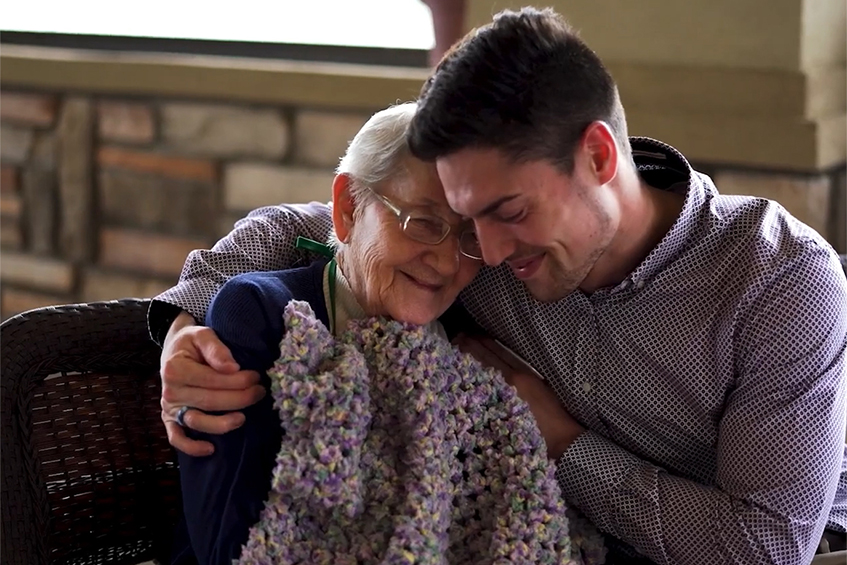
Assisted living fits when help is needed often times throughout the day and night, when medication management has actually become a headache, or when the home is hazardous to customize. It also fits when a spouse is the primary caretaker and burning out. I have actually enjoyed couples who swore they would never live apart restore their relationship after a move, checking out daily as spouse instead of nurse.
Think ahead. If moderate dementia is present and advancing, ask whether the person will accept strangers in the home. Some do, numerous do not. If paranoia or exit-seeking is currently an issue, a safe memory care wing may prevent a cycle of cops calls and sleepless nights. If falls are increasing and the house has stairs you can not eliminate, the built-in security of a single-level apartment or condo with hand rails can avoid injuries that change everything.
The real expense comparison, not simply the headline prices
Families often begin with sticker label shock. Home care agencies may price quote 30 to 40 dollars per hour, in some cases more in high-cost locations or for overnight shifts. Assisted living may advertise base rates of 4,000 to 6,000 dollars per month, then layer on care charges. The trick is to build apples-to-apples numbers around the actual care plan.
A light-support home care strategy of 20 hours each week might cost 2,600 to 3,200 dollars per month. That may be enough for someone who needs assist with showers, a few meals, and errands. If nights are a problem and you add 8 hours of awake overnight coverage a few times each week, costs climb quickly. Twenty-four-hour live-in plans can often lower the hourly rate, however real 24/7 awake personnel is the most expensive variation of home care, typically going beyond 18,000 dollars per month in many markets.
Assisted living consists of lease, energies, meals, housekeeping, and activities. Care levels add to the base. A resident who requires medication administration and day-to-day bathing may include 800 to 1,500 dollars per month to a 5,000 dollar base. Greater care needs can press totals into the 7,000 to 9,000 dollar variety. For innovative dementia in memory care, 7,000 to 10,000 dollars prevails, with regional variation.
Don't forget surprise home costs. Preserving a home, real estate tax, yard work, and emergency repairs build up. Safety modifications like grab bars, ramps, and restroom remodels can cost several thousand. If you are comparing, consist of food, energies, transportation, and membership services a center would otherwise cover. On the other hand, moving features its own costs: community charges, deposits, moving services, and in some cases furniture that fits smaller spaces.
Funding distinctions matter. Long-term care insurance frequently reimburses for both in-home senior care and assisted living, however the triggers and daily advantage limits vary. Veterans might receive Aid and Presence. Medicaid helps with long-lasting assistances but programs differ by state, and not all centers accept it. Take an afternoon to line up policy files and talk to a benefits professional before making a decision that locks you into a path.
Quality signals for home care agencies
The range in firm quality is broad. A polished website and friendly scheduler do not guarantee constant caretakers. What does? Licensing and oversight initially. In many states, nonmedical home care companies require a license. Look it up, do not simply take their word. Inquire about background checks, training hours, and guidance. The very best companies have a medical or care manager who fulfills clients in the house, builds a care strategy, and makes unannounced quality visits.
Turnover is a beneficial sign. All companies have turnover, however if the average caregiver tenure is just a couple of months, expect frequent modifications in who shows up. Ask how they handle call-outs, snow days, and last-minute spaces. In my experience, the companies that invest in caregiver assistance, consistent scheduling, and paid training tend to keep staff, which indicates better continuity for your loved one.
Compatibility matters. A senior home care assistant can be technically skilled and still not be a great fit if characters clash. Request for a trial shift and a swap policy without penalties. Share specifics, not generalities, about your loved one's routines and preferences. "Dad warms up to dry humor, and he needs 3 pointers to take vitamins without sensation nagged" assists the match more than "He is independent."
Medication handling is another essential location. Home care aides can offer pointers and hand medications in lots of states, however they can not make scientific judgments. If your loved one takes complex routines, ask the company how they coordinate with drug stores and whether they utilize locked med boxes or medication dispensers with alarms. A small investment in tools conserves a lot of worry.
Finally, look for openness. Agencies that track time with GPS check-in and provide family portals for care notes are much easier to hold responsible. You must see what jobs were completed, how the day went, and any changes. If you are spending for in-home care, you are worthy of clear reporting.
Quality signals for assisted living facilities
Tour plenty and at different times of day. The early morning smells tell you more than the afternoon piano hour. Drop in throughout mealtimes and attempt the food. Enjoy personnel pace, not simply friendliness. Do they move with seriousness when call lights ring? Are residents engaged outside of structured activities, or do they doze in hallways?
Ask about staffing ratios, however take the response in context. Ratios differ by state, time of day, and system type. A memory care unit may price estimate one staff per six to 8 citizens during the day and one to 10 or twelve at night. Numbers alone do not tell the entire story. Staff experience, management stability, and how they deploy float staff throughout health problem count for a lot. When the executive director and nurse have remained in place for several years, you feel it in the culture.
Care skill and discharge criteria matter. Facilities promise aging in location, however they all have lines they can not cross. Clarify what takes place when care needs increase. Can they manage two-person transfers? Insulin injections? Behavioral challenges? If the only response is "we will generate outside aid," you may be layering personal task aides on top of a pricey regular monthly rate. Sometimes that is appropriate, but you ought to understand the plan before you move in.
Observe citizens. In a well-run community, you will see people with walkers moving independently, personnel cueing inconspicuously, and self-respect protected in little ways, like knocking before entering. Try to find meaningful activities. Bingo is great, but variety matters: gardening boxes, art, brief workout classes, and individually engagement for those who avoid groups. You want a culture that treats homeowners as grownups with preferences, not a schedule to be managed.
Scrutinize the medication program. Who manages meds, how are errors reported, and what is the process when a dosage is missed out on? Medication mistakes can cause falls, delirium, and hospitalizations. A strong med tech and nurse oversight system with double checks and auditing reduces risk.
The surprise variables: household characteristics and geography
Sometimes the very best fit on paper is not the very best fit for your family. If 3 brother or sisters share responsibility and 2 live out of state, a home care plan may fail unless a single person is in charge of scheduling and decision-making. Agencies value a single point of contact. Without it, messages get lost, and little issues compound.
Geography also shapes the choice. In backwoods, firms can struggle to staff long drives, and assisted living alternatives might be restricted or far. In-city, parking and building access can complicate in-home senior care, but options abound. If your loved one is an extrovert who thrives in a crowd, a vibrant neighborhood can lift mood. If they are a private person who needs long peaceful mornings with a newspaper and a familiar chair, the rhythm of home most likely matters more than any activity calendar.
Think about the social web. Who will visit where? I have actually seen isolated senior citizens end up being social in assisted living, forming dinner table friendships that household never ever believed possible. I have likewise seen devoted gardeners wilt in apartment or condo life, then revive with part-time home care that keeps them near their soil. Be truthful about what offers your loved one energy.
Safety and risk: surpassing worry to realism
No alternative removes danger. Home care can not avoid every fall. Assisted living can not stop every infection or wandering impulse. The concern is which set of risks you prefer to manage and which supports are strongest for the specific profile.
If falls are the main danger, examine the environment. A single-level home with grab bars, excellent lighting, and a steady gait might be safer than a big structure with long corridors and limits. If nighttime confusion plus range usage is the danger, an environment without a stovetop in assisted living might be more secure. If loneliness is spiraling into anxiety, either setting can resolve it, however a neighborhood has a built-in social structure that home care must actively create.
Risk tolerance varies throughout households. Some accept a greater danger in your home to maintain identity and joy. Others prioritize structure and medical oversight. Put those worths on the table clearly so you avoid conflict later on. Nothing is more difficult than siblings arguing crisis-by-crisis without a shared framework.
Questions that separate marketing from reality
Use these targeted concerns to get practical responses fast.
- For home care firms: What is your average time to fill a brand-new case? What portion of shifts are missed out on in a normal month, and how do you staff last-minute openings? Do you provide the same caretakers for continuity, and what is your policy when a household requests a change? For assisted living facilities: What is your personnel turnover in the last year for caregivers, med techs, and leadership? The number of residents were asked to move due to increasing care needs in the last twelve months? How do you manage after-hours medical concerns, and what percentage of calls lead to ED transfers?
Use your own numbers in situations. If your mother requires aid at 6 a.m. to avoid incontinence and pressure on fragile skin, ask both service providers how they would meet that precise requirement. If your father wanders every couple of nights, ask for information on nighttime supervision, door alarms, and staff coverage.
Trial periods and fallback plans
Care requires shift. A smart evaluation includes a brief trial and a strategy B. With home care, start with more hours than you think you need, then taper after routines settle. The first week is an adjustment. With assisted living, inquire about respite stays. Numerous neighborhoods provide supplied apartments for 2 to 6 weeks. It is a low-commitment way to evaluate fit, and it can supply recovery time after hospitalization without a long contract.
Have a fallback plan made a note of. If your home care aide quits or your assisted living nurse calls to say they can no longer handle habits, where do you turn? Keep a list of agencies, a second-choice neighborhood, and a list of friends or next-door neighbors who can bridge a day or more. When you build redundancy in calm minutes, you prevent panic in the difficult ones.
The caretaker lens: sustainability for family
I meet lots of spouses and adult children who are holding the entire system together. The option in between in-home care and assisted living typically hinges on caretaker sustainability. If a partner is up every night with a partner who has dementia, one fall or one infection can bring both down. Home care can buy sleep if you personnel over night or morning shifts, however just if you accept people in your space. Assisted living can release the partner from direct care, enabling them to concentrate on check outs, love, and advocacy instead of bathing and lifts.
Consider your own life process too. Seasons of work strength, travel, or a brand-new grandchild arriving can change what you can do. Be honest with yourself and your brother or sisters. The very best plan is the one you can sustain without resentment.
Red flags that require a pause
Keep your eyes open for signs that should have a second look. With home care, vague responses about licensing and supervision, regular last-minute cancellations, and pressure to sign long agreements are red flags. With assisted living, strong smells, personnel who do not understand homeowners by name, delayed reactions to call lights, and sloppy medication practices are all signals to slow down.
Be cautious of bait-and-switch prices. Get the care level evaluation in composing, ask how frequently levels are re-evaluated, and what triggers an increase. In home care, clarify vacation rates, mileage or transportation fees, and minimum shift lengths. For both settings, request for referrals and actually call them, ideally households with comparable needs.
How to determine success after the decision
Once you start, monitor a few easy indications instead of every little detail. Take a look at weight, hydration, sleep quality, mood, and frequency of urgent events like falls, infections, or missed medications. If those trend in the ideal instructions, the model is working. In home care, read day-to-day notes and try to find patterns of skipped jobs or late arrivals. In assisted living, visit at different times and ask personnel about modifications they have noticed.
Give it time. Any transition, even bringing a brand-new caretaker into your home, takes a couple of weeks to settle. Stay flexible, yet do not endure relentless problems after you have raised them. Good service providers welcome feedback and change. If they grow defensive or dismissive, you may require to escalate or change providers.
A couple of grounded scenarios
A widower with mild cognitive disability lives in a one-story condo near friends. He forgets lunch and some pills. Home care for midday, three hours a day, 5 days a week, costs around 3,500 dollars each month locally. The caretaker prepares lunch, sets out supper, and utilizes a locked med dispenser with alarms. His pals visit on weekends. This strategy preserves his rhythm and costs less than assisted living, with the caveat that as memory declines, supervision might need to expand.
A couple in their late 80s lives in a two-story home. She has actually advanced arthritis, needs assistance transferring, and he has early dementia. Their adult child lives thirty minutes away. The child tries to collaborate four caregivers to cover early mornings and nights, however call-outs are regular, and night falls take place. A transfer to assisted coping with a two-bedroom unit adds predictable aid for bathing, meals, and meds, and removes stairs from the formula. The daughter sleeps again. Expense is greater than spot home care however lower than 24-hour protection, and security improves.
A retired instructor with moderate Alzheimer's is exit-seeking and has actually wandered to a next-door neighbor's patio at midnight twice. Household hires 12-hour overnight in-home care at substantial expense, but agitation spikes when new assistants show up. After a respite stay, a memory care unit with a secure yard and strong music therapy program relaxes her. Personnel anticipate her pacing pattern and engage her at sundown. The household sees daily for lunch and walks.
Bringing it together
The choice between home care and assisted living is not a morality tale about self-reliance versus surrender. It is a matching workout between particular needs and specific assistances. Home care provides versatile, tailored aid inside a cherished environment. Assisted living delivers a package of structure, security, and social chance. Both can fail if the fit is wrong, and both can be the best answer for various seasons of the exact same individual's life.
Start with needs and values, develop realistic cost comparisons, pressure test providers with pointed questions, and prepare for modification. If you do that, you are less likely to be swept by crisis and more likely to land where lifestyle feels possible once again. When I see families breathe after months of pressure, it is usually due to the fact that they moved past generic labels and picked based on how the days in fact unfold. That is the heart of excellent senior care, whether you find it at a kitchen area table with a trusted senior caretaker or down the hall of a well-run assisted living community.
FootPrints Home Care is a Home Care Agency
FootPrints Home Care provides In-Home Care Services
FootPrints Home Care serves Seniors and Adults Requiring Assistance
FootPrints Home Care offers Companionship Care
FootPrints Home Care offers Personal Care Support
FootPrints Home Care provides In-Home Alzheimer’s and Dementia Care
FootPrints Home Care focuses on Maintaining Client Independence at Home
FootPrints Home Care employs Professional Caregivers
FootPrints Home Care operates in Albuquerque, NM
FootPrints Home Care prioritizes Customized Care Plans for Each Client
FootPrints Home Care provides 24-Hour In-Home Support
FootPrints Home Care assists with Activities of Daily Living (ADLs)
FootPrints Home Care supports Medication Reminders and Monitoring
FootPrints Home Care delivers Respite Care for Family Caregivers
FootPrints Home Care ensures Safety and Comfort Within the Home
FootPrints Home Care coordinates with Family Members and Healthcare Providers
FootPrints Home Care offers Housekeeping and Homemaker Services
FootPrints Home Care specializes in Non-Medical Care for Aging Adults
FootPrints Home Care maintains Flexible Scheduling and Care Plan Options
FootPrints Home Care is guided by Faith-Based Principles of Compassion and Service
FootPrints Home Care has a phone number of (505) 828-3918
FootPrints Home Care has an address of 4811 Hardware Dr NE d1, Albuquerque, NM 87109
FootPrints Home Care has a website https://footprintshomecare.com/
FootPrints Home Care has Google Maps listing https://maps.app.goo.gl/QobiEduAt9WFiA4e6
FootPrints Home Care has Facebook page https://www.facebook.com/FootPrintsHomeCare/
FootPrints Home Care has Instagram https://www.instagram.com/footprintshomecare/
FootPrints Home Care has LinkedIn https://www.linkedin.com/company/footprints-home-care
FootPrints Home Care won Top Work Places 2023-2024
FootPrints Home Care earned Best of Home Care 2025
FootPrints Home Care won Best Places to Work 2019
People Also Ask about FootPrints Home Care
What services does FootPrints Home Care provide?
FootPrints Home Care offers non-medical, in-home support for seniors and adults who wish to remain independent at home. Services include companionship, personal care, mobility assistance, housekeeping, meal preparation, respite care, dementia care, and help with activities of daily living (ADLs). Care plans are personalized to match each client’s needs, preferences, and daily routines.
How does FootPrints Home Care create personalized care plans?
Each care plan begins with a free in-home assessment, where FootPrints Home Care evaluates the client’s physical needs, home environment, routines, and family goals. From there, a customized plan is created covering daily tasks, safety considerations, caregiver scheduling, and long-term wellness needs. Plans are reviewed regularly and adjusted as care needs change.
Are your caregivers trained and background-checked?
Yes. All FootPrints Home Care caregivers undergo extensive background checks, reference verification, and professional screening before being hired. Caregivers are trained in senior support, dementia care techniques, communication, safety practices, and hands-on care. Ongoing training ensures that clients receive safe, compassionate, and professional support.
Can FootPrints Home Care provide care for clients with Alzheimer’s or dementia?
Absolutely. FootPrints Home Care offers specialized Alzheimer’s and dementia care designed to support cognitive changes, reduce anxiety, maintain routines, and create a safe home environment. Caregivers are trained in memory-care best practices, redirection techniques, communication strategies, and behavior support.
What areas does FootPrints Home Care serve?
FootPrints Home Care proudly serves Albuquerque New Mexico and surrounding communities, offering dependable, local in-home care to seniors and adults in need of extra daily support. If you’re unsure whether your home is within the service area, FootPrints Home Care can confirm coverage and help arrange the right care solution.
Where is FootPrints Home Care located?
FootPrints Home Care is conveniently located at 4811 Hardware Dr NE d1, Albuquerque, NM 87109. You can easily find directions on Google Maps or call at (505) 828-3918 24-hoursa day, Monday through Sunday
How can I contact FootPrints Home Care?
You can contact FootPrints Home Care by phone at: (505) 828-3918, visit their website at https://footprintshomecare.com, or connect on social media via Facebook, Instagram & LinkedIn
The Albuquerque Museum offers a calm, engaging environment where seniors can enjoy art and history — a great cultural outing for families using in-home care services.