Business Name: FootPrints Home Care
Address: 4811 Hardware Dr NE d1, Albuquerque, NM 87109
Phone: (505) 828-3918
FootPrints Home Care
FootPrints Home Care offers in-home senior care including assistance with activities of daily living, meal preparation and light housekeeping, companion care and more. We offer a no-charge in-home assessment to design care for the client to age in place. FootPrints offers senior home care in the greater Albuquerque region as well as the Santa Fe/Los Alamos area.
4811 Hardware Dr NE d1, Albuquerque, NM 87109
Business Hours
Monday thru Sunday: 24 Hours
Facebook: https://www.facebook.com/FootPrintsHomeCare/
Instagram: https://www.instagram.com/footprintshomecare/
LinkedIn: https://www.linkedin.com/company/footprints-home-care
If you invest any time around older adults in your home, you see that decrease hardly ever happens simultaneously. It appears in tiny details: a shirt worn for a second day, an avoided shower, a chaotic hallway that used to be pristine. Great at home senior care focuses on those quiet signals and changes care around the individual, not around a template.
Personalized in-home care plans sit at the center of that work. They turn general support into the best support, especially around health and hygiene, where dignity, safety, and medical threat intersect every day.
I have seen elders thrive with reasonably modest aid, just because that help fit their routines, their bodies, and their characters. I have likewise seen well-intentioned, one-size-fits-all care backfire, leaving older grownups irritated, resistant, or at greater danger of falls and infection. The difference normally boils down to how thoughtful and individualized the care plan is.
This is particularly true for households organizing home look after parents who want to age in place without sacrificing tidiness, comfort, or health.
Why personalization changes health outcomes
On paper, "aid with bathing, grooming, and dressing" sounds simple. In practice, each of those jobs can play out a hundred various methods, depending on a senior's movement, memory, cultural background, modesty, and medical profile.
A customized in-home care strategy matters for a number of reasons.
First, it appreciates autonomy. A 79-year-old former nurse with arthritis might insist on cleaning her upper body herself however gladly accept aid with her feet and lower legs. Another senior with cognitive problems might need step-by-step coaching and a calm, recurring regimen. If caregivers push the exact same approach on both, among them will feel either infantilized or overwhelmed.
Second, it minimizes medical threats. Poor hygiene is not just a cosmetic issue. For elders, it can add to urinary system infections, skin breakdown, fungal infections, pneumonia, and exacerbations of persistent conditions. When home care employees understand exactly where a senior is vulnerable, they can avoid problems before they begin. For example, somebody with diabetes might require unique attention to foot care and daily skin checks, while a person utilizing oxygen might need help keeping moisture and lotions away from tubing and mask seals.
Third, it enhances consistency. Seniors are a lot more most likely to accept and maintain healthy routines when those routines feel familiar. Some desire a shower every night before bed, others prefer a quick sponge bath in the morning since cold air intensifies their joint discomfort. A tailored care plan captures these choices and keeps caretakers on the very same page.
Finally, customization supports family characteristics. Adult kids typically bring their own expectations: "Mom has actually constantly been precise; she requires a complete shower every day." Sometimes that no longer matches truth. A thoughtful elder care strategy can bridge the gap in between what is perfect and what is safe and sustainable.
How hygiene and daily care affect aging bodies
Hygiene touches much more than look. When I visit someone in the house, I can typically assess their total health trajectory from the restroom and the bedroom.
Frequent bathing may not be reasonable for every single senior, especially in homes with narrow tubs, steep actions, or unreliable warm water. Yet going too long without bathing can result in skin inflammation, rashes, infections, and odor that discourages social interaction. With in-home care, the goal is to discover that "best adequate" level of tidiness, customized to the individual's skin, activity level, and comfort.
Hair care and oral care inform similar stories. An unwashed scalp can turn into itching and skin problem. Skipped toothbrushing or denture cleaning might cause gum illness, discomfort, or problem consuming. That, in turn, affects weight, energy, and even mood. Numerous senior citizens silently reduce bathing or brushing since of balance issues, bad grip strength, shortness of breath, or basic tiredness. A customized senior home care strategy takes on those specific barriers rather of simply lecturing about hygiene.
Clothing and linens matter too. Clean, dry underclothing is a basic infection control procedure, particularly for anybody dealing with incontinence. Sheets that are.changed routinely avoid skin breakdown and make the bed a place of rest, not frustration. At home caretakers often become the ones who discover when laundry is piling up, or when a senior insists they "just changed clothing" 3 days ago.
The small regimens accumulate. When an older adult feels tidy, safe, and comfortable, hunger improves, sleep is more restful, and they are more open to visitors and activities. Those are not trivial results. They frequently choose whether somebody can remain at home or needs to relocate to a higher level of care.
What a tailored in-home care strategy actually looks like
Many households imagine a care plan as a stack of forms. On the ground, a useful strategy is more like a shared playbook that everyone, from caretaker to daughter to nurse, can comprehend and follow.
A strong individualized prepare for in-home senior care usually covers:
- Medical conditions that affect hygiene and mobility, from arthritis and cardiac arrest to Parkinson's and dementia Functional abilities and restrictions, such as whether the individual can stand at the sink, transfer securely into a shower chair, or manage buttons and zippers Routines and preferences, including preferred bathing times, water temperature, grooming items, and clothes designs Environmental factors in the home, like bathroom design, grab bars, lighting, flooring, and proximity of laundry Safety guidelines and contingencies, including what to do if the senior refuses care, shows sudden confusion, or has a near fall throughout bathing
That level of information may appear like overkill to an outsider. It is not. It keeps care constant throughout various employee, makes sure nobody is thinking about how much help to offer, and lowers friction with the senior, who gradually learns that the caretaker respects their routines and boundaries.
The evaluation that should come before any care plan
If a home care firm or specific caregiver begins work without a comprehensive assessment, you basically gamble with your parent's safety and comfort.
Good evaluations are not hurried. Anticipate somebody to:
Sit at the cooking area table and talk. They ought to inquire about case history, current medications, sleep patterns, continence, hunger, mood, previous falls, and what a "good day" and a "tough day" look like.
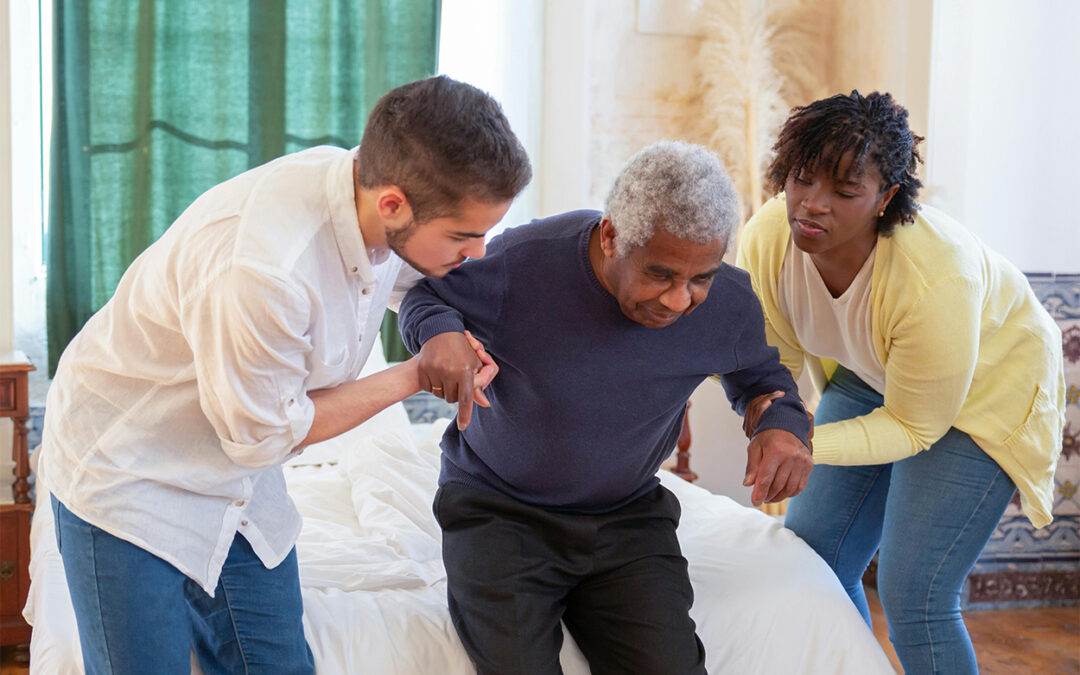
Watch the senior relocation through area. That includes how they stand from a chair, walk across the room, turn, and sit. In the bathroom, an assessor might ask the person to show how they typically enter into the tub or onto the toilet, with close supervision.
Ask uncomfortable concerns carefully. Subjects like incontinence, fear of bathing, previous traumatic falls, or embarrassment around nudity requirement to surface early. Many elders will not offer this unless asked in a considerate, matter-of-fact tone.
Tour the home with a safety lens. Loose carpets, poorly lit corridors, high thresholds, animals that get underfoot, and slippery tile are all common dangers. The assessor needs to recommend useful modifications that match the budget plan, such as a simple non-slip mat and a tension-mounted grab bar rather of a full renovation.
Clarify household roles. Who lives close by. Who has financial or medical power of attorney. Which tasks member of the family will reasonably do and where they expect paid caretakers to step in.
Out of that conversation and observation, an excellent company constructs a care plan that is specific, however not rigid. It needs to leave area to change as reality reveals itself in the very first couple of weeks.
The daily obstacles that shape hygiene care
On the surface, aiding with a bath seems like a single job. Beneath, you handle a lattice of useful and emotional tensions.
Fear of falling is one of the biggest drivers of resistance. If your mother when slipped in the tub, even gently, her nerve system remembers. She may fear showers, yet feel embarrassed to admit it. A customized care plan may move to more frequent sponge baths at the sink, integrated with a weekly shower using a durable shower chair, portable sprayer, and a caretaker who stays within arm's reach.
Modesty and cultural standards likewise weigh greatly. Some elders matured in families where talking about the body was taboo. Being naked in front of a stranger, even an expert, can seem like an infraction. Matching caregivers by gender when possible, utilizing towels strategically, explaining each action before it occurs, and permitting the elder to clean more private areas themselves can all decrease the temperature.
Cognitive modifications include another layer. A person with early dementia might misinterpret assist with bathing as an attack, or become terrified by water on their face. Here, gentler pacing, familiar music, and simplified directions matter as much as grab bars. I have actually seen afternoon baths go awfully however early morning baths succeed just since the individual is less worn out and less confused earlier in the day.
Then there is pain. Arthritic shoulders make raising arms overhead miserable. Neuropathy can turn water that feels warm to you into fire or ice for them. Caretakers need to know how to read facial expressions, ask about pain in plain language, and adjust methods appropriately, such as warming the restroom first or using a long-handled sponge.
A generic care plan can not anticipate all that. Personalized in-home care gains from each interaction and folds that finding out back into the plan.
Balancing self-reliance and safety
A hallmark of considerate elder care is knowing when to stand back. Lots of older adults frantically want to continue doing as much on their own as they can. Overhelping can erode confidence and speed up decrease. Underhelping raises risk.
A well-crafted in-home care plan approaches this as a negotiation, not a dictate. For example, a senior who can securely step into the shower but fights with cleaning hair may agree that the caregiver just comes into the bathroom for shampooing and washing, then steps out once again while the senior finishes cleaning their body. In time, if balance worsens, the strategy may shift to the caretaker staying closer.
Another common compromise includes clothing. If buttons and zippers have ended up being too hard, a caregiver may invite the senior to select attires while the caregiver does the physical dressing. That protects a sense of https://gregorytcgl686.image-perth.org/home-care-service-vs-assisted-living-which-is-better-for-couples individual style and control. Likewise, some elders will accept assist with socks and shoes however firmly want to manage their own shirts.
This is why the very best at home senior care providers train personnel to ask, "What would you like to do on your own, and where would you like some help." That basic concern guides just how much hands-on help is offered in bathing, grooming, and toileting.
Families in some cases battle here, particularly adult children who remember a parent as carefully groomed and increasingly independent. They may promote more assistance than the senior wants, out of worry. A composed, customized strategy that documents the predetermined level of assistance can relieve arguments by producing a shared reference.
Family characteristics and home take care of parents
When you organize home take care of parents, you enter a complex function. You are part advocate, part job manager, and in some cases part referee.
Personalized care strategies decrease friction by clarifying expectations. For instance, brother or sisters may assume the caretaker will "keep your house clean," while the firm believes it is offering just personal care. If the care plan specifies that caregivers will tidy the restroom after bathing, do one load of laundry twice a week, and clean kitchen area counters throughout meal preparation, everyone knows what to look for.
The psychological side is more difficult. A parent might accept personal care from an assistant, yet withstand similar aid from a child due to the fact that it feels more humiliating. That is not rejection. It is an effort to preserve the parent-child relationship as they comprehend it. A clear plan that hands off intimate tasks like bathing and toileting to professional caretakers can safeguard family bonds.
Communication regimens matter, especially gradually as requirements alter. Lots of successful care setups include short weekly check-ins amongst family, the in-home care organizer, and sometimes a going to nurse. The care strategy acts as a living document during those conversations, not a file that gathers dust. When hygiene decreases or brand-new habits appear, changes can be made rapidly rather than waiting on crisis.
Local realities: Albuquerque home care and the desert climate
Location shapes care needs more than individuals expect. In a location like Albuquerque, home care agencies need to think about environment, elevation, and even water utilize when customizing hygiene routines.
Dry air is an everyday element. Older skin already tends to be thinner and more fragile. Combine that with low humidity, and regular hot showers can remove oils and develop itching, flaking, or breaking. A thoughtful Albuquerque home care strategy may restrict full showers to a couple of times a week for senior citizens with delicate skin, using lukewarm water and fragrance-free cleansers, and depend on mild sponge baths in between. Liberal usage of moisturizers instantly after bathing can likewise decrease discomfort.
Altitude and heat affect stamina. At over 5,000 feet, some elders with heart or lung illness tire rapidly. Standing in a warm, steamy restroom can leave them lightheaded. Caretakers in this area frequently prioritize seated bathing, break grooming into shorter sections, and schedule more physically demanding hygiene tasks for cooler early morning hours.
Water preservation awareness sometimes makes elders hesitant to shower as frequently as they might otherwise. They might have internalized messages about "not squandering water." An individualized discussion can help reconcile ecological worths with health requirements, maybe by shortening showers a little while keeping vital hygiene tasks intact.
Dust and seasonal allergic reactions play their part as well. Regular face and nasal rinsing, as endured, can make breathing more comfy for those with chronic sinus or lung conditions. Tidy linens and more frequent laundering of pillowcases become essential for allergy control.
A local Albuquerque home care supplier that comprehends these nuances will design care routines that respect the desert environment while safeguarding skin stability and respiratory health.
When care requires modification: keeping the plan alive
One of the worst errors in elder care is dealing with the initial strategy as final. Aging is dynamic. A fall, a hospitalization, a new medication, or a shift in cognition can reshuffle everything overnight.
Warning indications that a senior home care plan requires evaluation include:
- New or intensifying resistance to bathing, grooming, or dressing Unexplained odors, rashes, or skin breakdown Increased incontinence or indications of urinary system infections More regular near falls in the bathroom or bedroom Noticeable modifications in mood, such as lethargy or agitation throughout hygiene routines
A responsive company will take these signs seriously and arrange a reassessment, not just blame the senior for being "tough." Sometimes the fix is practical, like installing a taller toilet riser or changing to tear-free shampoo. Other times, it includes much deeper shifts: more hours of care, two-person assistance for transfers, or partnership with hospice or palliative teams.
Family members must feel empowered to request plan updates. The more specific you can be in explaining what you see and when, the easier it is for the professionals to adjust.
What to search for when choosing an in-home senior care provider
Not all home care firms approach customization the same way. When you speak with possible companies for elder care, pay as much attention to how they believe regarding the services they list.
A short, practical checklist can assist:
- Ask how they carry out initial assessments and for how long they spend in the home before the first shift. Vague or hurried procedures are warnings. Request an example of a de-identified care plan, consisting of how hygiene and personal care are recorded. You desire evidence of specific, customized instructions, not simply generic phrases like "assist with bathing as needed." Explore how they train caregivers on dignity, modesty, and cultural level of sensitivity around bathing and toileting. Search for role-playing, supervision, and continuous education, not one-time orientation. Clarify how changes to the care strategy are handled and interacted. Who can request updates, how rapidly do they react, and how are households kept in the loop. Confirm how they match caregivers to customers, including gender choices, language, and experience with particular conditions like dementia or Parkinson's disease.
The answers will inform you whether the agency genuinely practices personalized in-home care or just markets it.
Bringing it all together
Personalized in-home care strategies are not a luxury add-on for elders. They are the structure of safe, considerate, and efficient support, specifically in the intimate world of health and hygiene. When the strategy shows the real person - their body, history, habits, worries, and home - even easy regimens like bathing and dressing can end up being supporting anchors rather of daily battles.
Families arranging home take care of parents deal with enough emotional weight without also guessing about the information. A good partner in senior home care will take the time to understand your parent, equate that understanding into a concrete strategy, and keep that strategy alive as situations change.
The benefit is not simply cleaner skin and laundered clothing, although those matter. It is the older adult who steps out of the bathroom feeling revitalized rather of embarrassed. It is the son who can visit as a son, not simply as a job supervisor. It is the Albuquerque elder whose desert-dry skin lastly stops itching, due to the fact that someone thought carefully about water temperature and lotion, not simply checkboxes.
That is the peaceful power of customized in-home care: it changes normal jobs into thoroughly crafted assistances that permit seniors to remain where the majority of them most want to be, in the house, with dignity intact.
FootPrints Home Care is a Home Care Agency
FootPrints Home Care provides In-Home Care Services
FootPrints Home Care serves Seniors and Adults Requiring Assistance
FootPrints Home Care offers Companionship Care
FootPrints Home Care offers Personal Care Support
FootPrints Home Care provides In-Home Alzheimer’s and Dementia Care
FootPrints Home Care focuses on Maintaining Client Independence at Home
FootPrints Home Care employs Professional Caregivers
FootPrints Home Care operates in Albuquerque, NM
FootPrints Home Care prioritizes Customized Care Plans for Each Client
FootPrints Home Care provides 24-Hour In-Home Support
FootPrints Home Care assists with Activities of Daily Living (ADLs)
FootPrints Home Care supports Medication Reminders and Monitoring
FootPrints Home Care delivers Respite Care for Family Caregivers
FootPrints Home Care ensures Safety and Comfort Within the Home
FootPrints Home Care coordinates with Family Members and Healthcare Providers
FootPrints Home Care offers Housekeeping and Homemaker Services
FootPrints Home Care specializes in Non-Medical Care for Aging Adults
FootPrints Home Care maintains Flexible Scheduling and Care Plan Options
FootPrints Home Care is guided by Faith-Based Principles of Compassion and Service
FootPrints Home Care has a phone number of (505) 828-3918
FootPrints Home Care has an address of 4811 Hardware Dr NE d1, Albuquerque, NM 87109
FootPrints Home Care has a website https://footprintshomecare.com/
FootPrints Home Care has Google Maps listing https://maps.app.goo.gl/QobiEduAt9WFiA4e6
FootPrints Home Care has Facebook page https://www.facebook.com/FootPrintsHomeCare/
FootPrints Home Care has Instagram https://www.instagram.com/footprintshomecare/
FootPrints Home Care has LinkedIn https://www.linkedin.com/company/footprints-home-care
FootPrints Home Care won Top Work Places 2023-2024
FootPrints Home Care earned Best of Home Care 2025
FootPrints Home Care won Best Places to Work 2019
People Also Ask about FootPrints Home Care
What services does FootPrints Home Care provide?
FootPrints Home Care offers non-medical, in-home support for seniors and adults who wish to remain independent at home. Services include companionship, personal care, mobility assistance, housekeeping, meal preparation, respite care, dementia care, and help with activities of daily living (ADLs). Care plans are personalized to match each client’s needs, preferences, and daily routines.
How does FootPrints Home Care create personalized care plans?
Each care plan begins with a free in-home assessment, where FootPrints Home Care evaluates the client’s physical needs, home environment, routines, and family goals. From there, a customized plan is created covering daily tasks, safety considerations, caregiver scheduling, and long-term wellness needs. Plans are reviewed regularly and adjusted as care needs change.
Are your caregivers trained and background-checked?
Yes. All FootPrints Home Care caregivers undergo extensive background checks, reference verification, and professional screening before being hired. Caregivers are trained in senior support, dementia care techniques, communication, safety practices, and hands-on care. Ongoing training ensures that clients receive safe, compassionate, and professional support.
Can FootPrints Home Care provide care for clients with Alzheimer’s or dementia?
Absolutely. FootPrints Home Care offers specialized Alzheimer’s and dementia care designed to support cognitive changes, reduce anxiety, maintain routines, and create a safe home environment. Caregivers are trained in memory-care best practices, redirection techniques, communication strategies, and behavior support.
What areas does FootPrints Home Care serve?
FootPrints Home Care proudly serves Albuquerque New Mexico and surrounding communities, offering dependable, local in-home care to seniors and adults in need of extra daily support. If you’re unsure whether your home is within the service area, FootPrints Home Care can confirm coverage and help arrange the right care solution.
Where is FootPrints Home Care located?
FootPrints Home Care is conveniently located at 4811 Hardware Dr NE d1, Albuquerque, NM 87109. You can easily find directions on Google Maps or call at (505) 828-3918 24-hoursa day, Monday through Sunday
How can I contact FootPrints Home Care?
You can contact FootPrints Home Care by phone at: (505) 828-3918, visit their website at https://footprintshomecare.com, or connect on social media via Facebook, Instagram & LinkedIn
Conveniently located near Cinemark Century Rio Plex 24 and XD, seniors love to catch a movie with their caregivers.