Business Name: FootPrints Home Care
Address: 4811 Hardware Dr NE d1, Albuquerque, NM 87109
Phone: (505) 828-3918
FootPrints Home Care
FootPrints Home Care offers in-home senior care including assistance with activities of daily living, meal preparation and light housekeeping, companion care and more. We offer a no-charge in-home assessment to design care for the client to age in place. FootPrints offers senior home care in the greater Albuquerque region as well as the Santa Fe/Los Alamos area.
4811 Hardware Dr NE d1, Albuquerque, NM 87109
Business Hours
Monday thru Sunday: 24 Hours
Facebook: https://www.facebook.com/FootPrintsHomeCare/
Instagram: https://www.instagram.com/footprintshomecare/
LinkedIn: https://www.linkedin.com/company/footprints-home-care
When mobility begins to change, whatever in the house quietly reshuffles. Routines that worked efficiently for years end up being dangerous. A step at the entranceway develops into an everyday barrier. Showering needs planning. Getting to the doctor is no longer a quick errand, it is a project.
Families typically feel this shift before they can name it. A daughter notices her dad has actually stopped using the second floor. A partner understands she is physically bracing her partner each time he gets out of his chair. At first it feels manageable. Then something small takes place - a near fall, a missed out on medication, a burnt pot on the stove - and stress becomes a continuous background hum.
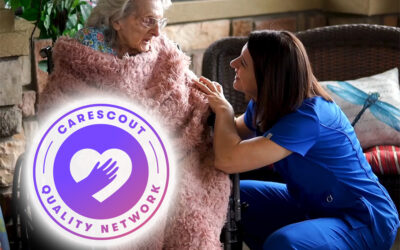
Professional in-home senior care exists right in this space in between "we are doing alright" and "we are in crisis." For elders with movement obstacles, the ideal home care is not a luxury. It is often the difference in between remaining securely at home or dealing with preventable hospitalizations, long rehabilitation stays, or premature transfer to institutional care.
I have actually seen this play out in real homes, with real families, lot of times. The information change, however the pattern is remarkably similar.
Why mobility changes are such a tipping point
Not all health changes have the exact same effect on life. Hearing loss is frustrating. Moderate memory concerns are stressing. But serious movement changes change nearly every job, from rising to opening the fridge.
When we speak about "mobility challenges," we are generally describing several of these circumstances:
A senior uses a cane, walker, or wheelchair; has difficulty with balance; tires easily when strolling space to room; requirements aid with stairs; is recuperating from a surgery, stroke, or fracture; or deals with conditions like Parkinson's disease, arthritis, or neuropathy that impact movement.
The threats compound quickly. If walking is sluggish and exhausting, a senior is more likely to:
- Skip journeys to the bathroom, which results in incontinence, infections, or skin issues Avoid the kitchen, which results in poor nutrition and dehydration Stop going to visits, which leads to unmanaged persistent illness
Mobility constraints are also highly linked with falls. In elder care, a serious fall is typically the moment the whole trajectory modifications. I have actually satisfied numerous households who said, "Everything was fine till the fall." A hip fracture can result in months of rehabilitation, time in a skilled nursing center, and long-term loss of independence.
Professional home take care of parents or other older relatives is not simply about having an extra set of hands. It is about systematically reducing the risks that surround mobility difficulties and replacing concern with a structure that really operates in daily life.
What professional in-home care truly provides
Families typically think of in-home care as somebody who comes in, assists with bathing, perhaps does some light household chores, and leaves. That can be part of it, however effective senior home care does a number of deeper things at once.
First, it brings back safety. A skilled caregiver knows how to assist with transfers from bed to chair, how to place a walker properly, when to utilize a gait belt, and how to recognize early signs of dizziness, weak point, or pain. That understanding matters. I have actually viewed a skilled caretaker change the height of a walker and immediately make a client more stable and more confident.
Second, it protects dignity. Mobility challenges can make simple jobs feel embarrassing. Bathing, toileting, and dressing are intensely individual. When a partner or adult kid needs to help, everyone tends to feel uncomfortable, even if love is strong. A professional caregiver approaches these jobs with practiced calm and regard. For numerous elders, it is much easier to accept assistance from a neutral expert than from their own child.
Third, it supports the whole home. Good elder care is never ever practically the individual with movement issues. It also prevents the main family caretaker from burning out or getting hurt. I have seen a 120-pound partner physically lifting a 190-pound partner dozens of times a day. The danger to that caretaker's back, shoulders, and total health is massive. Expert assistance disperses the load.
Finally, it enables personalization. At home senior care is one of the few parts of the healthcare system that can adapt precisely to the person. Care can be 4 hours a week or 24 hours a day, short term after a surgery or long term for progressive conditions. Activities can be built around what brings that particular individual delight, whether that is gardening, listening to old jazz records, or seeing birds at the feeder.
Safety in your home is rarely "good sense"
Families sometimes tell me, "We understand how to be cautious. We do not really require expert in-home care." I understand the instinct, but experience states otherwise.
Home environments contain dozens of small hazards that most people do not discover till mobility changes. An expert caregiver or care supervisor will stroll into a home and instantly scan for:
- Rugs that move on hardwood Electrical cords across strolling paths Low-slung coffee tables that capture walkers or shins Narrow bathroom entrances that barely fit a walker Beds that are expensive or too low for safe transfers
I once dealt with a couple in their 80s in Albuquerque. She had moderate arthritis and some balance issues. He had early Parkinson's and walked with a shuffling gait. They thought their one-story home was "ideal" and safe. On the very first visit, a home care nurse explained that the beautiful thick area rug in the living room moved a full inch underfoot when you stepped on it. One edge even curled a little where the other half dragged his foot. Both of them had actually been tripping there daily without rather recognizing it.
The service was easy: non-slip backing and rearranging furnishings to create a clear path. However it took a trained eye to see the issue clearly.
Professional caregiver training usually includes safe transfer techniques, fall risk recognition, and standard home safety strategies. In a strong Albuquerque home care company or similar local provider, caretakers frequently deal with physical and occupational therapists, so they learn practical tricks that never ever appear in a generic safety pamphlet.
Mobility assistance has to do with more than walkers and wheelchairs
Families frequently focus first on equipment: "Should we get a walker, a grab bar, a shower chair?" Equipment matters, but how it is used matters even more.
A caregiver can:
Guide a senior in using a walker properly, action by action, until it feels natural instead of awkward. Practice safe sequences for getting out of bed, standing from a chair, or getting in and out of a cars and truck. Notice when a senior starts "furnishings walking" - getting onto tables and counters rather of using movement help - a strong sign that supports need to be adjusted. Deal with household and therapists to establish the home so that required products are within easy reach, lowering unnecessary transfers.
I dealt with one gentleman who had a new wheelchair after a stroke. His household was proud to have actually purchased what they considered the "best" model. Regrettably, nobody had shown them how to set the footrests and brakes correctly. He practically fell two times when standing up because the chair moved as he pressed. A caretaker remedied the setup in minutes and after that practiced a safe stand-pivot transfer with him repeatedly. His self-confidence improved as rapidly as his safety.
This sort of comprehensive, useful coaching is difficult to improvise. Professional home care provides senior citizens the advantage of numerous similar scenarios the caretaker has currently handled.
The psychological weight of losing mobility
Mobility loss is rarely simply physical. It affects mood, identity, and relationships.
Many senior citizens explain feeling "trapped" when they can stagnate around their own homes easily. They stop inviting good friends over due to the fact that they do not want anybody to see them battle. They might become irritable or withdrawn. When every trip to the bathroom seems like a precarious exploration, life diminishes really quickly.
For household caretakers, the emotional load is various however just as heavy. Adult kids worry constantly about falls when they are at work. Spouses resent the demands of care one day, then feel guilty the next. Brother or sisters argue over who is "doing more." The whole family ecosystem strains under the pressure.
Professional senior home care stabilizes this emotional terrain in several ways:
A neutral existence shows up on a predictable schedule. This reduces unpredictability and stress. Caretakers often become trusted confidants. Senior citizens who will not "concern" their children will sometimes share fears and aggravations with a caregiver. A knowledgeable caregiver knows how to motivate independence rather of feeding helplessness. They may stand nearby rather than physically assist, or suggest one additional lap around the cooking area table as mild exercise, celebrating small wins without condescension.
One daughter informed me that hiring in-home take care of her mother changed their relationship. "I could simply be her daughter again," she said. "I was not continuously nagging about the walker or the shower. The caretaker handled the logistics. I got to appear with coffee and speak about grandkids."
That shift from "caretaker initially, child second" back to a more natural family function can be priceless.
When households ought to seriously think about home care
Families typically wait longer than they should to generate assistance. They do not wish to insult a parent by indicating they can not handle. They hope things will "return to regular" after a rehabilitation stay. They undervalue how tired they will become.
Warning signs that it is time to look carefully at expert home look after parents or other older relatives consist of:
- A fall, or more than one "near miss," even if no severe injury occurred Noticeable weight reduction, expired food in the fridge, or extremely restricted meal choices Missed medications or confusion about what to take and when Increasing fear of bathing or clear avoidance of the bathroom A household caregiver experiencing persistent neck and back pain, severe fatigue, or resentment
Any among these on its own is a concern. A number of together highly suggest that a senior with mobility challenges requires more structured support at home.
What professional caregivers in fact do during a visit
Families in some cases envision that https://footprintshomecare.com/ a caregiver will sit in the living-room scrolling on a phone while the senior naps throughout the day. Respectable in-home care companies do not work that way.
A typical visit for somebody with considerable mobility concerns may include:
Assisting with safe transfers out of bed and to the bathroom, then assisting with bathing, grooming, and dressing at a speed that appreciates the senior's convenience. Preparing breakfast and setting up hydration stations in reachable spots so the senior does not need to bring heavy glasses or pots. Assisting with recommended workouts from physical or occupational treatment, such as brief strolls indoors, mild stretches, or balance practice, always under appropriate safety precautions. Carrying out light housekeeping concentrated on safety and hygiene: clearing clutter from pathways, doing laundry to prevent stained linens from piling up, cleaning kitchen surfaces after meal preparation. Providing companionship, conversation, and psychologically stimulating activities like checking out aloud, simple video games, or examining household images, adjusted to the individual's energy level.
Transportation and errands can be part of the strategy also, though this varies by company and regional regulations. For mobility-challenged senior citizens, having somebody manage the logistics of getting to a medical appointment and navigating the building can decrease tension dramatically.
Why regional context matters: an Albuquerque example
While the core principles of elder care are universal, local geography and resources matter. Think about Albuquerque and the surrounding areas.
Many senior citizens in central New Mexico live in single-story homes, which assists with mobility. However uneven outside paths, gravel landscapes, and outdoor patio actions develop their own risks. Summer heat makes dehydration a serious issue, especially for those who move slowly or prevent the kitchen area because they are afraid of standing too long.
An Albuquerque home care company that understands regional realities can:
Schedule visits to avoid the hottest parts of the day, when outdoor transfers or consultations are most demanding. Pay extra attention to hydration and heat-related signs. Coordinate with local clinics, senior centers, and transportation services that are in fact available to someone utilizing a walker or wheelchair. Assist adapt outdoor areas by identifying steady courses, safe seating areas, and reasonable gardening activities for someone who can no longer kneel or bend easily.
Local understanding also reaches culture. In multigenerational households, which prevail in New Mexico, expert caretakers need to browse the characteristics of adult children, grandchildren, and sometimes extended family under one roofing system. Respect for family custom-mades, meal preferences, and language helps care seem like support rather of intrusion.
Choosing the right at home senior care provider
Not all home care is equivalent. The quality of the caretaker and how well they match the senior's requirements will make or break the experience.
Key factors to assess when comparing service providers of in-home care consist of:
- Training: Ask how caretakers are trained specifically in movement support, safe transfers, and fall prevention. Supervision: Clarify how typically supervisors visit the home and how concerns are managed. Flexibility: Examine whether schedules and care strategies can be changed as mobility changes. Communication: Try to find clear, routine updates to family members, particularly when there are health modifications. Compatibility: Check out how the company matches caregivers to customers in regards to character, language, and cultural background.
It assists to talk with the person who will be offering care, not just the workplace staff. Some firms will set up a meet-and-greet so the senior can get a feel for the caretaker before dedicating. That impression typically predicts how smoothly the relationship will go.
Balancing self-reliance with safety
A typical worry among elders is that accepting assistance will automatically result in a loss of independence. The fact is generally the opposite.
Without support, movement difficulties silently remove options: the choice to shower safely, to cook, to step outside, to participate in family occasions. Seclusion and inactivity follow.
Thoughtfully developed senior home care can broaden what an individual is able to do. With the ideal support, a senior who had stopped leaving your house may resume weekly visits to a preferred coffee shop. Someone horrified of falling in the shower might begin bathing more regularly, feeling physically better and more confident in social situations.
The art lies in providing just enough help, in the best places. Experienced caregivers know when to step in and when to go back. They might stand nearby throughout a transfer without touching, permitting the senior to handle individually however all set to intervene. Or they might break a job into smaller steps, turning "You can refrain from doing that alone" into "Let us do part of it together and you end up the last piece."
Families sometimes need assistance here too. An adult kid who is used to "doing whatever" for a frail parent may need to unlearn habits that actually weaken the parent's staying capabilities. A strong home care group will involve household in preparation and explain why certain assistances are used in particular ways.
Financial and practical realities
Cost is a genuine concern for most households. Expert in-home care is not affordable, and protection varies.
Medicare in the United States usually does not pay for long-term non-medical home care, though it might cover short-term skilled home health services after a medical facility stay or surgery. Long-lasting care insurance policies, if acquired previously in life, sometimes cover a part of in-home care. Medicaid programs in some states support home and community based services for those who qualify economically, with waiting lists in certain areas. Numerous households pay privately, often sharing the expense among siblings, or combining a smaller amount of professional care with ongoing household involvement.
Despite the cost, when you compare it to the expense of regular hospitalizations, rehab stays, or full-time residential care, in-home care frequently represents a cost-efficient middle path. Particularly for senior citizens with movement obstacles, avoiding a single serious fall can offset months of home care expenses, both in dollars and in quality of life.
Practically, starting small can assist. Some households begin with short, focused visits 2 or three times a week, targeting the most unsafe tasks such as bathing and evening transfers. As requirements grow, care can be broadened. The key is to start before a crisis forces hurried decisions.
Bringing it back home
Mobility changes do not have to signify completion of living well in your home. They do need sincerity, preparation, and support that surpasses excellent intentions.
Professional home look after parents, partners, and other loved ones provides households access to skills that take years to obtain, but can be used in the extremely individual context of a familiar home. It deals with concrete risks like falls and missed medications, but also softer, equally essential needs: self-respect, companionship, and a sense of control.
For seniors with mobility challenges, the home ends up being both sanctuary and landscape of possible risks. The role of in-home care is to tilt that balance firmly towards sanctuary, so that your home that holds a life time of memories can remain a safe, habitable location for as long as possible.
FootPrints Home Care is a Home Care Agency
FootPrints Home Care provides In-Home Care Services
FootPrints Home Care serves Seniors and Adults Requiring Assistance
FootPrints Home Care offers Companionship Care
FootPrints Home Care offers Personal Care Support
FootPrints Home Care provides In-Home Alzheimer’s and Dementia Care
FootPrints Home Care focuses on Maintaining Client Independence at Home
FootPrints Home Care employs Professional Caregivers
FootPrints Home Care operates in Albuquerque, NM
FootPrints Home Care prioritizes Customized Care Plans for Each Client
FootPrints Home Care provides 24-Hour In-Home Support
FootPrints Home Care assists with Activities of Daily Living (ADLs)
FootPrints Home Care supports Medication Reminders and Monitoring
FootPrints Home Care delivers Respite Care for Family Caregivers
FootPrints Home Care ensures Safety and Comfort Within the Home
FootPrints Home Care coordinates with Family Members and Healthcare Providers
FootPrints Home Care offers Housekeeping and Homemaker Services
FootPrints Home Care specializes in Non-Medical Care for Aging Adults
FootPrints Home Care maintains Flexible Scheduling and Care Plan Options
FootPrints Home Care is guided by Faith-Based Principles of Compassion and Service
FootPrints Home Care has a phone number of (505) 828-3918
FootPrints Home Care has an address of 4811 Hardware Dr NE d1, Albuquerque, NM 87109
FootPrints Home Care has a website https://footprintshomecare.com/
FootPrints Home Care has Google Maps listing https://maps.app.goo.gl/QobiEduAt9WFiA4e6
FootPrints Home Care has Facebook page https://www.facebook.com/FootPrintsHomeCare/
FootPrints Home Care has Instagram https://www.instagram.com/footprintshomecare/
FootPrints Home Care has LinkedIn https://www.linkedin.com/company/footprints-home-care
FootPrints Home Care won Top Work Places 2023-2024
FootPrints Home Care earned Best of Home Care 2025
FootPrints Home Care won Best Places to Work 2019
People Also Ask about FootPrints Home Care
What services does FootPrints Home Care provide?
FootPrints Home Care offers non-medical, in-home support for seniors and adults who wish to remain independent at home. Services include companionship, personal care, mobility assistance, housekeeping, meal preparation, respite care, dementia care, and help with activities of daily living (ADLs). Care plans are personalized to match each client’s needs, preferences, and daily routines.
How does FootPrints Home Care create personalized care plans?
Each care plan begins with a free in-home assessment, where FootPrints Home Care evaluates the client’s physical needs, home environment, routines, and family goals. From there, a customized plan is created covering daily tasks, safety considerations, caregiver scheduling, and long-term wellness needs. Plans are reviewed regularly and adjusted as care needs change.
Are your caregivers trained and background-checked?
Yes. All FootPrints Home Care caregivers undergo extensive background checks, reference verification, and professional screening before being hired. Caregivers are trained in senior support, dementia care techniques, communication, safety practices, and hands-on care. Ongoing training ensures that clients receive safe, compassionate, and professional support.
Can FootPrints Home Care provide care for clients with Alzheimer’s or dementia?
Absolutely. FootPrints Home Care offers specialized Alzheimer’s and dementia care designed to support cognitive changes, reduce anxiety, maintain routines, and create a safe home environment. Caregivers are trained in memory-care best practices, redirection techniques, communication strategies, and behavior support.
What areas does FootPrints Home Care serve?
FootPrints Home Care proudly serves Albuquerque New Mexico and surrounding communities, offering dependable, local in-home care to seniors and adults in need of extra daily support. If you’re unsure whether your home is within the service area, FootPrints Home Care can confirm coverage and help arrange the right care solution.
Where is FootPrints Home Care located?
FootPrints Home Care is conveniently located at 4811 Hardware Dr NE d1, Albuquerque, NM 87109. You can easily find directions on Google Maps or call at (505) 828-3918 24-hoursa day, Monday through Sunday
How can I contact FootPrints Home Care?
You can contact FootPrints Home Care by phone at: (505) 828-3918, visit their website at https://footprintshomecare.com, or connect on social media via Facebook, Instagram & LinkedIn
A visit to the ABQ BioPark Botanic Garden offers a peaceful, gentle outing full of nature and fresh air — ideal for older adults and seniors under home care.